Spoken language access

Spoken audio translation for live events

4ALL LIVE supports two distinct spoken-language workflows. Standard spoken captions synthesize speech from translated caption text, while low-latency TTS creates a more continuous audio-to-audio translated experience. Attendees may listen through supported viewer controls, or production teams can use 4ALL Signal to route configured LL-TTS language lanes to local audio outputs and venue listening equipment.

Start for free

Last updated

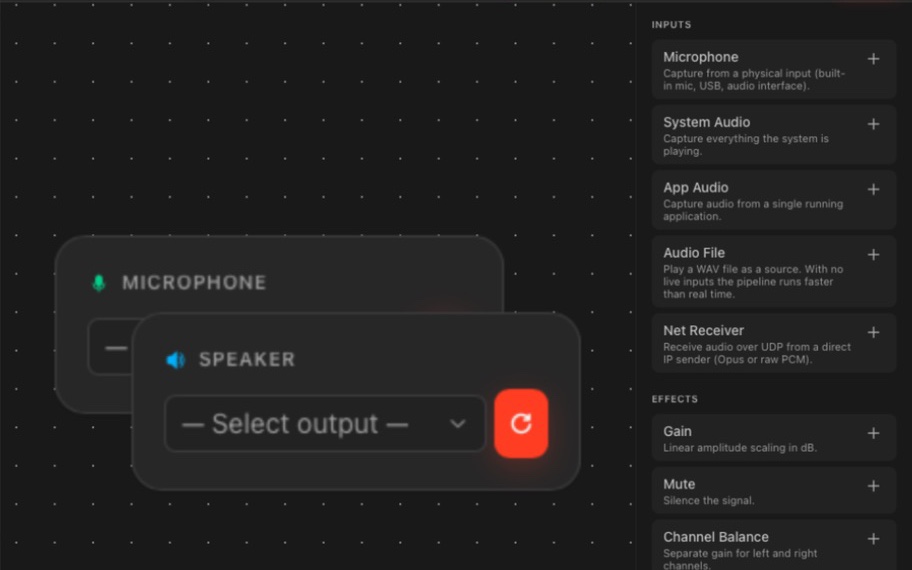
4ALL Signal routing editor for translated audio language lanes

What it is

A production workflow, not a one-size-fits-all promise.

The two modes solve different listening needs and should be evaluated with the program content, acceptable delay, language availability, and audience hardware. Signal provides the local audio-routing handoff for managed listening, but the venue remains responsible for audio interfaces, amplification, transmitters, receivers, headphones, RF planning, and end-to-end monitoring.

Best for

  • Multilingual events offering personal browser listening
  • Venues routing translated language lanes into managed headset systems
  • Programs evaluating text-derived speech against continuous low-latency translation
  • Productions that need separate local outputs for multiple language lanes

Plan around

  • No live spoken-translation workflow is zero latency; timing varies across the complete signal path.
  • 4ALL Signal stops at local physical, virtual, or documented network audio outputs.
  • Signal does not include RF transmitters, receivers, headphones, amplifiers, cabling, or venue frequency coordination.

Capabilities and outputs

What the workflow actually delivers

The exact configuration depends on the event, audience destination, enabled features, and downstream production equipment.

Capabilities for Spoken audio translation for live events
CapabilityWhat it means in production
Standard spoken captionsCreate voice output from translated caption text using an enabled voice and viewer controls.
LL-TTSProvide a more continuous, low-latency audio-to-audio translated language source when enabled.
Personal listeningExpose supported spoken-caption controls in the audience browser experience.
Managed routingUse 4ALL Signal to assign LL-TTS language lanes to physical or virtual local audio outputs.
MonitoringObserve source, pipeline, output, jitter, underrun, DSP timing, and device status during a production.

Production workflow

From source audio to a verified audience output

  1. Step 01

    Choose standard speech or LL-TTS

    Compare the documented modes against the desired listening cadence, latency tolerance, languages, and program content.

  2. Step 02

    Enable and preflight the language

    Configure the selected spoken workflow, voice or LL-TTS source, usage, and listener access.

  3. Step 03

    Select personal or managed delivery

    Use browser listening for BYOD access or route LL-TTS through Signal to a venue-owned listening chain.

  4. Step 04

    Monitor end to end

    Listen at the actual attendee endpoint and watch network, device, level, timing, and language-lane status.

Questions buyers and producers ask

Frequently asked questions

What is the difference between spoken captions and LL-TTS?

Standard spoken captions synthesize audio from translated caption text. LL-TTS is a more continuous audio-to-audio translated speech workflow. They have different timing and operational characteristics.

Can attendees listen on their own phones?

When the relevant spoken option is enabled, supported viewer controls can provide personal browser listening. Device, browser, network, and event access should be tested before relying on it.

What does 4ALL Signal add?

Signal receives configured LL-TTS language sources and routes them through a local production graph to selected physical, virtual, or documented network audio outputs.

Does 4ALL provide the wireless headset system?

No. Signal ends at the local audio handoff. The venue or production supplier provides and operates transmitters, receivers, headphones, RF coordination, amplification, cabling, and related hardware.

Is LL-TTS instant?

No. LL-TTS is designed for lower-latency continuous translation, but source capture, processing, networks, buffers, routing, and listener equipment all add time.
Plan the complete audience path before show time.

Start with a free workspace or talk with 4ALL about capacity, outputs, integrations, and production support.

Start for free